Find Vertical Multifunctional Wheat Grinder for Flour Rice Beans
Source 30 vertical multifunctional wheat grinder units with varying capacities and designs. Buyers can compare specifications for crushing, grinding, and milling applications across different materials like wheat, rice, and beans.
Key considerations
Products List


$9900.00 - $22000.00
Moq: 1


$9900.00 - $22000.00
Moq: 1

$680.00 - $880.00
Moq: 1


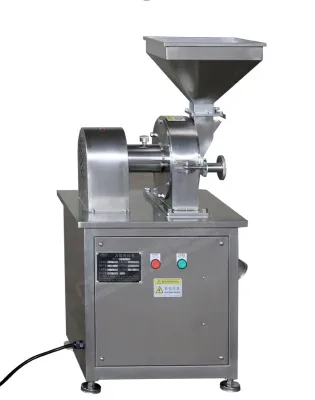


Comprehensive Sourcing Guide
Strategic Sourcing Guide for Vertical Multifunctional Wheat Grinders
Understanding the Vertical Configuration and Core Mechanics
When sourcing a vertical multifunctional wheat grinder, the primary differentiator lies in the machine's design architecture. The vertical configuration is a critical engineering choice that influences floor space utilization, material flow dynamics, and maintenance accessibility. In the current market, vertical designs are often associated with specific grinding equipment types, such as feed hammer mills or roll crushers, which are engineered to handle bulk materials efficiently. The vertical orientation typically facilitates a gravity-assisted feed system, reducing the energy required to move grain from the hopper into the grinding chamber. This design is particularly advantageous for facilities with limited floor space, as it stacks the processing components vertically rather than spreading them horizontally.
The mechanical heart of these units often involves a "Tooth Claw" mechanism, as observed in models like the Self-priming Tooth Claw Crusher or the Tooth Claw Crusher 160/280/300 series. These toothed components are designed to impact and shear the grain, ensuring a consistent particle size reduction. The vertical arrangement allows for a compact footprint while maintaining high throughput capabilities. Buyers must verify that the specific vertical model they are considering aligns with their intended material flow. For instance, while some vertical units are optimized for feed applications, others are explicitly designed for flour production, handling wheat, rice flour, beans, and starch. The distinction is vital because the internal geometry of the grinding chamber and the screen mesh configuration vary significantly between feed-grade and food-grade vertical grinders.
Furthermore, the "Multifunctional" aspect of the keyword implies versatility in processing different grain types. A truly multifunctional vertical grinder should be capable of handling wheat, rice, corn, and beans without requiring a complete overhaul of the machine. This versatility is often achieved through adjustable screen meshes and interchangeable grinding elements. The presence of a screen mesh is a standard feature in high-quality vertical grinders, allowing the operator to control the fineness of the final product. Buyers should confirm that the machine supports the specific mesh sizes required for their target end-product, whether it is coarse grits for animal feed or fine flour for human consumption. The ability to switch between these applications without extensive downtime is a key performance indicator for multifunctional units.
Technical Specifications and Performance Parameters
Evaluating the technical specifications of a vertical multifunctional wheat grinder requires a deep dive into power requirements, production capacity, and processing methods. The power consumption is a direct indicator of the machine's capability to handle heavy loads. In the observed market data, vertical units often operate at standard industrial voltages, such as 380V, which is common for heavy-duty machinery in many regions. The power rating, such as 7.5kw, determines the torque available for grinding and the maximum throughput the machine can sustain. Buyers must ensure that their facility's electrical infrastructure can support the specific voltage and amperage requirements of the selected model.
Production capacity is another critical specification that varies widely based on the machine's design and intended application. Some vertical grinders are rated for lower throughput, such as 200kg/H to 400kg/H, making them suitable for small-scale operations or pilot plants. In contrast, larger industrial units may boast capacities ranging from 10 tons per day to 500 tons per day. The specific model, such as the YBWM or YUBEI series, often dictates these capacity ranges. It is essential to match the machine's rated capacity with the buyer's actual production needs to avoid bottlenecks or unnecessary energy waste. Over-sizing a machine can lead to inefficiencies, while under-sizing can result in production delays.
The processing technics employed by these machines also play a significant role in the final product quality. Many vertical grinders utilize a "Crushing-before-Mixing" approach, which ensures that the grain is properly reduced before any blending or further processing occurs. This method is particularly effective for maintaining the integrity of the grain structure and ensuring uniform particle distribution. Additionally, the machine's design may include features like a single screw or twin screw bulking machine, which aids in the pre-conditioning of the material before it enters the grinding chamber. The choice between single and twin screw systems depends on the specific material properties and the desired consistency of the output.
Another vital technical aspect is the extraction rate and the composition of the final product. For wheat grinding, the flour extraction rate is a key metric, with some models achieving rates around 75%. This figure indicates the efficiency of the machine in separating the desirable flour from the bran and germ. The output composition, such as 50-55% grits and 10-15% flour, is another specification that buyers should verify against their product requirements. The machine's ability to produce a specific ratio of grits to flour is often determined by the screen mesh size and the speed of the grinding elements. Buyers should request detailed performance data for the specific model they are considering to ensure it meets their quality standards.
Compliance, Certification, and Safety Standards
Navigating the compliance landscape for industrial machinery is a critical step in the procurement process. While specific certification statuses may vary by supplier and region, buyers should prioritize machines that adhere to recognized international standards. In the observed market, some vertical grinders are associated with certifications such as ISO2008, which indicates a commitment to quality management systems. However, it is important to note that not all listed products may carry every certification, and buyers must verify the current status of certifications for the specific unit they intend to purchase. The presence of a Machinery Test Report is another valuable indicator of compliance and performance verification. These reports provide objective data on the machine's operation, safety features, and output quality, serving as a crucial document for regulatory compliance in many jurisdictions.
Safety standards are paramount when dealing with high-speed grinding equipment. The vertical design of these machines often includes enclosed grinding chambers to prevent accidental contact with moving parts. Buyers should verify that the machine complies with relevant safety regulations, such as those governing electrical safety, mechanical guarding, and emergency stop mechanisms. While specific safety certifications like CE were mentioned in background contexts, the actual compliance status must be confirmed for each individual unit. The absence of a specific certification does not necessarily imply non-compliance, but it does require a more rigorous due diligence process to ensure the machine meets local safety requirements.
Furthermore, the standardization of the machine's dimensions and specifications is essential for integration into existing production lines. The physical dimensions of the vertical grinder, such as 19006001250mm or 720470910mm, must be compatible with the available floor space and ceiling height in the buyer's facility. The standardization of these dimensions also facilitates the planning of material handling systems, such as conveyors and hoppers, which must be aligned with the machine's input and output points. Buyers should request detailed dimensional drawings and layout plans from the supplier to ensure a seamless integration.
Cost Drivers and Total Cost of Ownership
The cost of a vertical multifunctional wheat grinder is influenced by several factors, including the machine's capacity, power rating, level of customization, and the complexity of its design. The observed price range in the market spans from $305 to $158,000, reflecting the vast difference between small-scale units and large industrial systems. The lower end of the price spectrum typically corresponds to compact, lower-capacity machines suitable for small businesses or agricultural cooperatives. In contrast, the higher end of the range is associated with high-capacity, fully automated systems designed for large-scale industrial operations.
Customization is a significant cost driver in the procurement of these machines. Many suppliers offer customized options, allowing buyers to tailor the machine to their specific production needs. This can include modifications to the grinding chamber, the addition of specialized screens, or the integration of automated control systems. While customization adds value, it also increases the initial cost and may extend the lead time for delivery. Buyers must carefully evaluate the trade-off between the benefits of customization and the associated costs. In some cases, a standard model may be sufficient, while in others, a fully customized solution is necessary to achieve the desired production efficiency.
The total cost of ownership (TCO) extends beyond the initial purchase price to include installation, maintenance, energy consumption, and spare parts. Vertical grinders with higher power ratings, such as 7.5kw, will incur higher energy costs over their lifespan. Buyers should calculate the estimated energy consumption based on their expected production volume to determine the long-term financial impact. Additionally, the availability and cost of spare parts, such as grinding teeth and screen meshes, should be considered. Machines with standardized components may offer lower maintenance costs and easier repairs, while highly customized units may require specialized parts that are more expensive and harder to source.
Typical Applications and Material Versatility
Vertical multifunctional wheat grinders are designed to handle a wide range of materials, making them suitable for diverse applications in the food and feed industries. The primary application for these machines is the grinding of wheat into flour, but their versatility extends to other grains such as rice, corn, beans, and starch. The ability to process multiple grain types without significant reconfiguration is a key advantage of multifunctional units. This versatility allows buyers to maximize the utility of their equipment, adapting to changing market demands or seasonal variations in raw material availability.
In the flour milling sector, these machines are used to produce high-quality flour for human consumption. The vertical design ensures a consistent particle size, which is crucial for the texture and baking properties of the final product. The machine's ability to achieve a flour extraction rate of around 75% is particularly valuable for maximizing yield and minimizing waste. In the feed industry, the same machines can be used to produce coarse grits and meal for animal feed. The production of 50-55% grits and 10-15% flour is a common output profile for feed applications, where the nutritional content and texture of the feed are critical.
The specific application of the machine also depends on the type of grinding equipment used. Feed hammer mills are often employed for coarse grinding in the feed industry, while roll crushers and tooth claw crushers are used for finer grinding in the flour industry. The choice of grinding equipment should align with the buyer's specific product requirements. For example, a machine designed for rice flour production may have different internal geometries and screen configurations compared to one designed for wheat flour. Buyers should verify that the machine's specifications match their intended application to ensure optimal performance and product quality.
Supplier Evaluation and Quality Assurance
Selecting the right supplier for a vertical multifunctional wheat grinder is a critical decision that impacts the long-term success of the procurement. Buyers should evaluate suppliers based on their technical expertise, production capacity, and reputation for quality. The presence of a Machinery Test Report is a strong indicator of a supplier's commitment to quality assurance. This report provides independent verification of the machine's performance, safety, and reliability, giving buyers confidence in the product they are purchasing. Suppliers who provide comprehensive test reports are more likely to be transparent about their product capabilities and limitations.
The customization capabilities of the supplier are another important factor to consider. Suppliers that offer both customized and non-customized options provide buyers with greater flexibility in selecting a machine that meets their specific needs. The ability to customize the machine allows buyers to optimize the equipment for their unique production requirements, such as specific material types or production volumes. However, buyers should also consider the lead time and cost implications of customization. Suppliers with a proven track record of delivering customized solutions on time and within budget are preferable.
Quality control is a fundamental aspect of the supplier evaluation process. Buyers should inquire about the supplier's quality control procedures, including the materials used in construction, the manufacturing processes, and the testing protocols. The use of high-quality materials, such as stainless steel for food-contact surfaces, is essential for ensuring the durability and hygiene of the machine. The supplier's adherence to international standards, such as ISO2008, is also a positive indicator of their commitment to quality. Buyers should request documentation of the supplier's quality control processes to ensure that the machine meets their standards.
Long-Term Procurement and Maintenance Considerations
The long-term success of a vertical multifunctional wheat grinder depends on effective maintenance and support. Buyers should consider the availability of spare parts, the ease of maintenance, and the supplier's after-sales support when making their procurement decision. Machines with standardized components, such as the 280 model or the YBXM series, often have a wider availability of spare parts, making maintenance easier and less costly. The packaging of the machine, such as the export wooden box packaging or container by sea shipping, also plays a role in ensuring the machine arrives in good condition and is ready for installation.
The operational environment of the machine is another factor to consider for long-term maintenance. Vertical grinders are often used in dusty environments, which can lead to wear and tear on the machine's components. Buyers should ensure that the machine is equipped with appropriate dust collection systems and that the maintenance schedule includes regular cleaning and inspection of these systems. The vertical design of the machine may also require specific maintenance procedures to ensure the proper alignment of the grinding elements and the screen mesh.
Finally, the scalability of the machine is an important consideration for buyers planning for future growth. A vertical multifunctional wheat grinder that can be easily upgraded or expanded to meet increasing production demands is a valuable asset. Buyers should inquire about the supplier's ability to provide upgrades or modifications to the machine as their needs evolve. The flexibility of the machine to adapt to new applications or materials is also a key factor in ensuring its long-term relevance and value. By considering these long-term factors, buyers can make a procurement decision that supports their business growth and operational efficiency.
FAQs
What is the production capacity range for these vertical grinders?
Production capacity ranges from 200kg/H to 400kg/H for smaller units up to 500 tons per day for industrial systems. The specific output depends on the model series, such as YBWM or YUBEI, and the selected screen mesh configuration.
Can these machines process materials other than wheat?
Yes, they handle rice flour, corn, beans, and starch in addition to wheat. The multifunctional design allows for processing various grains without requiring a complete machine overhaul, supported by adjustable grinding elements.
What voltage and power requirements do these vertical mills have?
These machines typically operate at 380V voltage with power ratings like 7.5kw. This electrical configuration supports the vertical design and ensures sufficient torque for crushing and grinding bulk materials efficiently.
Is customization available for these grinding equipment units?
Customization is available for some models, while others are non-customized. Buyers can request specific modifications to the grinding chamber or packing, such as export wooden box packaging, depending on the supplier's options.
Which certifications are associated with these vertical wheat grinders?
Some units are associated with ISO2008 certification and come with provided machinery test reports. Buyers should verify the specific certification status for each model to ensure compliance with quality management systems.
What is the typical flour extraction rate for these mills?
The flour extraction rate can reach up to 75% for specific models. The output composition often includes 50-55% grits and 10-15% flour, determined by the screen mesh and grinding speed settings.
Where are these vertical multifunctional grinders manufactured?
These machines originate from China, with specific production locations in Shandong. The products are packed in wooden boxes or shipped via container by sea shipping to international destinations.